
CREATIVE LEARNING • CHARACTER • FUTURE READINESS
ACADEMICS

Learning that builds from one stage to the next.

Our academic pathway is designed to give learners the knowledge, habits and confidence they need at every stage.

OUR LEARNING STAGES

A strong start.
Room to grow.

Each stage is designed around children’s changing needs. Through supportive relationships, purposeful activities and carefully guided learning, pupils can develop essential skills at a steady, confident pace.

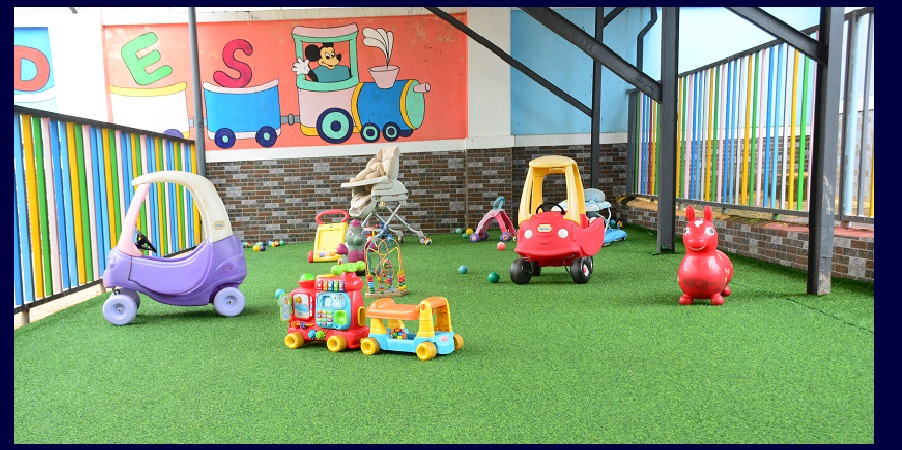
Great Strides School Reception pupils in an early-years learning environment 01 · EARLY YEARS

Reception

A warm, reassuring first step into school life, where curiosity is encouraged and every small achievement matters.

Reception is an important beginning to a child’s educational journey. At Great Strides Creative & Innovative School, we aim to provide a welcoming, colourful and supportive environment where young learners can settle into school routines, build trust with their teachers and begin to enjoy learning alongside other children. We recognise that every child arrives with a different personality, pace of development and set of interests, so our approach encourages each learner to participate, explore and grow with confidence.

Our early-years learning approach uses guided play, stories, songs, conversation, practical activities and creative experiences to introduce essential concepts in ways children can understand. Children are encouraged to notice colours, shapes and patterns, count everyday objects, listen to instructions, ask questions and share their thoughts. These experiences support early language, listening, number awareness, coordination and problem-solving while allowing children to learn through discovery rather than pressure.

Reception also helps children develop the social and personal skills needed for a positive school experience. Through circle time, shared games, group tasks and classroom responsibilities, pupils practise taking turns, sharing resources, expressing their needs politely, caring for materials and respecting others. Teachers provide guidance and encouragement as children learn to follow simple routines, make choices, attempt new tasks and become increasingly independent.

Creative activities such as drawing, painting, music, movement and imaginative play give children opportunities to communicate ideas and develop fine-motor coordination. With attentive support from educators, children can build resilience, celebrate progress and understand that making mistakes is a natural part of learning. The aim is to establish a strong foundation for future academic growth while nurturing each child’s confidence, curiosity and sense of belonging.

  • A safe, welcoming environment and supportive school routines
  • Play-based discovery, stories, songs and hands-on exploration
  • Early language, listening, counting and problem-solving skills
  • Creativity, coordination and opportunities for self-expression
  • Friendship, sharing, communication and growing independence
Great Strides School Nursery children taking part in early learning activities 02 · FOUNDATIONS

Nursery

Nurturing curiosity, communication and independence through meaningful early learning experiences.

The Nursery stage builds on children’s first experiences of school and helps them become more confident participants in a shared learning environment. At Great Strides, we aim to make this stage cheerful, caring and stimulating, so children feel secure enough to ask questions, try unfamiliar activities and learn from the people around them. Our educators guide pupils with patience and encouragement, recognising that early childhood development includes social, emotional, language and thinking skills as well as academic readiness.

Language and communication are central to nursery learning. Through picture books, stories, rhymes, songs, conversations and opportunities to describe what they see, children practise listening, speaking, recognising sounds and expanding their vocabulary. These activities prepare them for later reading and writing by helping them connect words with objects, experiences and ideas. Drawing, mark-making and other practical tasks can also strengthen hand control and help children become comfortable expressing themselves on paper.

Early mathematics is introduced through practical, familiar experiences. Children may count objects, sort items by colour or shape, compare sizes, match pairs, recognise simple patterns and explore basic ideas about quantity and position. Learning through objects and activities makes abstract ideas more understandable and gives children opportunities to explain what they notice. Songs, movement, puzzles, construction materials and supervised exploration also encourage attention, memory, coordination and problem-solving.

Nursery provides important opportunities for social development. During shared play and group activities, children learn to cooperate, take turns, share materials, listen to classmates and communicate their feelings with adult support. Daily routines encourage self-help habits, responsibility and growing independence. Art, music, imaginative play and movement give children different ways to discover their interests, express ideas and appreciate the contributions of others.

Teachers observe children’s participation and progress, offering guidance that responds to their developing needs. By combining structured learning with exploration and creative activities, Nursery helps children strengthen the foundations they will continue to use as they move through school. Our goal is to help every child feel valued, become an enthusiastic learner and approach the next stage with greater confidence.

  • Language development, listening, vocabulary and pre-reading readiness
  • Counting, sorting, matching, patterns and early number awareness
  • Creative arts, music, movement and imaginative play
  • Social interaction, cooperation and positive communication
  • Self-help routines, confidence and increasing independence
Great Strides School Primary pupils learning in class Great Strides School Primary pupils participating in classroom learning 03 · CORE LEARNING

Primary

Building strong subject knowledge, responsible habits and independent thinking for the next stage of education.

The Primary programme at Great Strides Creative & Innovative School is designed to help pupils strengthen the academic knowledge, practical skills and positive learning habits they need as they grow. At this stage, children are encouraged to become more active and independent learners: to ask thoughtful questions, explain their ideas, practise new skills and take pride in steady progress. A supportive classroom environment helps pupils approach challenges with curiosity and understand that effort, reflection and practice are important parts of achievement.

Literacy and numeracy provide an essential foundation across the curriculum. Reading activities support fluency, comprehension, vocabulary and a growing interest in books, while writing tasks help pupils organise information and communicate clearly. Speaking and listening opportunities encourage children to share opinions respectfully and understand different viewpoints. Mathematics develops number fluency, calculation, measurement, patterns and logical reasoning, with practical examples helping pupils apply what they learn to everyday situations.

Creative work, presentations, reading challenges, school activities and supervised technology experiences provide additional ways for pupils to explore their interests and communicate their learning. Digital awareness can introduce responsible use of computers and other learning tools. Pupils also have opportunities to practise teamwork, leadership, creativity and respect for others, supporting the development of character alongside academic progress.

Teachers guide pupils as they consolidate existing skills and prepare for more advanced learning. Progress is supported through clear explanations, regular practice, constructive feedback and opportunities to revisit challenging concepts. Pupils are encouraged to take responsibility for their work, organise their materials, complete tasks carefully and ask for help when they need it. These habits strengthen confidence and help children approach new subjects with a positive attitude.

Our approach also values holistic development. Learning includes opportunities to practise respect, honesty, cooperation, responsibility and consideration for others. Pupils can develop communication and relationship skills through classroom discussions, shared projects and school activities. By balancing academic learning with creativity, practical experiences and character development, the Primary Section aims to prepare children not only for the next stage of education, but also to participate thoughtfully and confidently in their communities.

  • Holistic education that supports academic progress and character development
  • Reading, writing, communication and confident literacy skills
  • Numeracy, reasoning, investigation and practical problem-solving
  • Critical thinking, innovation, projects and hands-on learning
  • Age-appropriate STEM exploration and responsible technology awareness
  • Teamwork, creativity, leadership and independent study habits
  • Preparation for the next stage of education and future opportunities
Beyond the timetable

Clubs, projects and experiences.

Learning continues outside formal lessons through school activities, projects, events and opportunities for pupils to practise leadership, teamwork and creativity.

HOW LEARNING WORKS

Skills that build
for the future.

Learning is most effective when knowledge is revisited, practised in different ways and connected to experiences children can understand.

CORE LEARNING

Communication and literacy

Reading, speaking, listening and writing help pupils express ideas, understand others and access learning across the curriculum. Regular practice supports fluency and clearer communication.

THINKING SKILLS

Numeracy and problem-solving

Mathematical learning develops number confidence, logical thinking and the ability to explain a process. Guided examples and practical tasks help pupils apply concepts step by step.

CREATIVE PRACTICE

Projects and collaboration

Creative tasks and group activities encourage pupils to plan, share ideas, listen to different viewpoints and take pride in completing work together.